
"Grown Area"
10000 article(s) found

Coffee producing area Coffee introduction Puerto Rican Coffee
In 1736, coffee trees were introduced from Martinique to Puertp Rico. Most of the early coffee was grown by immigrants from Corsica. By 1896, Puerto Rico was the sixth largest exporter of coffee in the world, with most coffee shipped to France, Italy, Spain and Cuba. Coffee farms flourished in the 19th century, but the rise of sugarcane and drug farming

Yunnan Coffee flavour Coffee beans grown in China
The western and southern parts of Yunnan Province are located between 15 N and the Tropic of Cancer, most of which are 1000-2000 meters above sea level. The topography is dominated by mountains and slopes, with large ups and downs, fertile soil, sufficient sunshine, rich rainfall and large temperature difference between day and night. These unique natural conditions form the special taste of Yunnan small-grain coffee, which is strong but not bitter, fragrant but not strong, slightly fruity. As early as fifty years
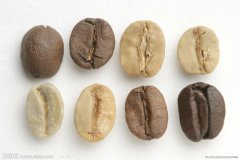
Yunnan Coffee beans Coffee areas grown in China
The western and southern parts of Yunnan Coffee Province are located between 15 N and the Tropic of Cancer, most of which are 1000-2000 meters above sea level. The topography is mainly mountainous and sloping, with large ups and downs, fertile soil, sufficient sunshine, rich rainfall and large temperature difference between day and night. These unique natural conditions form the particularity of Yunnan small grain coffee taste, which is strong but not bitter, fragrant but not strong, slightly fruity.

Ali Mountain Coffee boutique Mahi Coffee the latest news and the latest flavor introduction
Alishan Mafeel coffee is an authentic Taiwanese coffee. Mazu is taken from the language of the Zou people of the Alishan people, which means delicious. Alishan is the area where coffee is grown, while the Alishan coffee is grown by the Zou people, and it is also named Mafeel, and the coffee grown belongs to Taiwan coffee. Due to the low production of Taiwan coffee from Alishan.
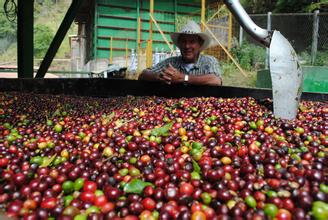
Guatemala National Guatemala production area Guatemala time Guatemala Coffee New Oriental region
[guide] the Ekatlago Valley rises to 2000 meters (6500 feet), with dense shade and unique ecology, and the nearby Fuego volcano erupts, making its coarse, sandy soil rich in various minerals. Temperate sea breezes from the Pacific Ocean and seasonal climate have raised the Ekatangol Valley in Guatemala Guatemala to 2000 meters (6500 feet).
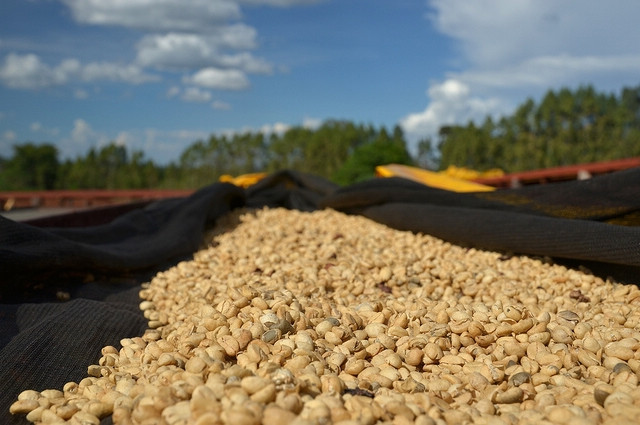
Royal Coffee processing Plant in St. Roman, a country grown in Central America, Tarazu, Costa Rica.
Costa Rican coffee cultivation was introduced by Cuba in 1779 and exported for the first time in 1820. There are about 32000 coffee farmers, with an average planting area of less than one hectare (10000 hectares) per farmer. Costa Rica has a population of 41 billion (2006), with a coffee planting area of 82500 hectares and an annual production of 1.7 million bags (60kgs per bag). The annual domestic consumption is 380000 bags.

Galapagos Islands Coffee-San Cristobal Coffee production area
Coffee production in the Galapagos Islands: coffee is grown in San Cristobal (SaintCristobal). Arab bourbon coffee trees are planted in the Hasunda Coffee Garden (HaciendaElCafetal) in San Cristobal. The elevation of the plantation is between 140 and 275 meters above sea level, and the climate in this area is equivalent to that between 915 and 1830 meters inland, so the gradient is suitable for high acidity.
Coffee producing areas in Hawaii
Hawaii (Hawaii) after nearly two centuries of efforts to grow coffee, the term Kona is almost synonymous with "quality".
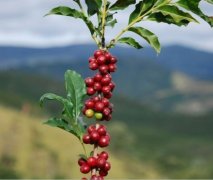
Global coffee producing area Rwanda coffee producing area
Since the 1920s, Arabica coffee grown in Rwanda has been famous for its unique fruit sweetness and rich grass aroma. In recent years, the Rwandan government has taken positive measures to vigorously promote coffee production, set up coffee production cooperatives in various places, and give technical guidance and financial support to farmers, so that coffee production has made considerable progress. From Rwanda.

Introduction to the characteristics of the flavor and taste of Puerto Rican coffee beans in the manor area
Yaocote's choice of coffee, which is grown only on three farms in the southwest of the island, is fragrant and has a long aftertaste. This kind of coffee is very expensive and its flavor is comparable to that of any other coffee variety in the world. In the Yauco area, the coffee is owned and operated by local planters. The mountain climate here is mild, and the plants have a long mature period (from October to February of the following year).

Rich and sweet Peruvian coffee flavor and taste the introduction of fine coffee beans in the manor producing area
Peruvian coffee is grown in a planned way, which has greatly increased coffee production. Its rich acidity and mellow smoothness are its most prominent features. Peruvian coffee has a soft sour taste, medium texture, good taste and aroma, and is an indispensable ingredient in the production of comprehensive coffee. High-quality Peruvian coffee with a strong aroma, smooth, layered and full-bodied

Boutique Coffee Papua New Guinea Coffee producing area Kintamani Volcano area
The legendary background of modern coffee. In PapuaNewGuinea, about 75 per cent of coffee products come from small local farmers

An introduction to the flavor and taste of the pleasant-scented Guatemalan coffee manor
Rainforest Rainforest Cobn: it is cloudy, rainy and cool all the year round. The vast majority of Koban coffee in the rainforest is grown in the obviously undulating and foggy mountains of the region and is deeply influenced by limestone and clay in the Atlantic basin. Koban has two seasons: the rainy season and the rainy season. Rainforest Coban Cup Test feature (Rainforest Cobn cup profile) Rainforest Cobn

Characteristics of flavor and taste of growing altitude varieties in SHB producing area of Ecuadorian coffee
Professional coffee knowledge exchange more coffee bean information please follow the coffee workshop (Wechat official account cafe_style) Ecuadorian coffee Loha SHB Ecuador LOJA SHB 1212 Central American Ecuadorian coffee flavor description: has a rich floral flavor as well as apple flavor and comfortable sweetness. Micro petals, good cleanliness, moderate body, with cocoa, baked biscuits and coke

Boutique Coffee Papua New Guinea Coffee producing area Kintamani Volcano area
The legendary background of modern coffee. In Papua New Guinea, about 75 per cent of coffee products come from small local farmers
Introduction to the varieties and characteristics of Blue Mountain Coffee beans in the boutique producing area of Jamaica the best description of hand-flushed flavor of Lanshan No. 1
BlueMountainCoffee (Blue Mountain Coffee) is a kind of coffee with high public awareness, which is only produced in the Blue Mountain region of Jamaica in Central America, and only coffee grown in the Blue Mountain area above 1800 meters can be authorized to use Jamaican Blue Mountain Coffee (BlueMountai).

Introduction of Larez Yaoke Coffee single Bean Flavor description Variety planting Development History production area treatment method
Exchange of professional baristas follow the coffee workshop (Wechat official account cafe_style) Puerto Rico coffee in 1736, coffee trees were introduced from Martinique to Puerto Rico (Puertp Rico). Most of the early coffee was grown by immigrants from Corsica. By 1896, Puerto Rico ranked sixth in coffee exports in the world, and most of the coffee was shipped to France.

Introduction to the origin of the Blue Mountain Coffee Manor in Jamaica the estate in Jamaica has grown Blue Mountain Coffee Silver Villa.
In 1717, King Louis XV of France ordered the cultivation of coffee in Jamaica. In the middle of the 20th century, the Governor of Jamaica, Sir Nicholas Nicholas Lawes, imported Arabica seeds from Martinique and began to plant them in St. Andrew. To this day, St. Andrew

Introduction to the Flavor and quality of Salvadoran Coffee
Coffee cultivation is mostly grown by small farmers. Farmers in El Salvador are classified as follows: (1 htct= 105mu = 10000 square meters) small farmers, small producer, area less than 7.0hect; medium farmers, medium producer, area between 7.070 square meters; large farmers, large producer, area larger than 70hect. Farmers adopt traditional planting methods.

Introduction to the Distribution Map of Environmental Base in Yunnan Coffee planting area
When was Yunnan coffee first planted? the environmental base distribution map shows that more than 80% of China's coffee is grown in Yunnan. Yunnan has four or five growing areas, including Ruili and Baoshan. Robasta coffee is also grown on the southern coast of Fujian and Hainan Island near Vietnam. At present, coffee production in Fujian and Hainan is very low, Youensen said. Yunnan is naturally the best in China.